The Evolution of Digital Ownership
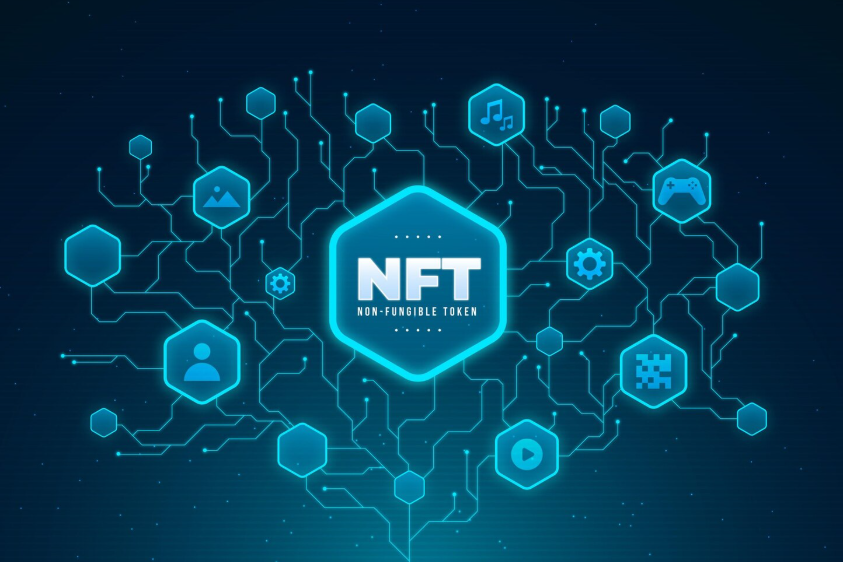
Digital content has always faced challenges related to ownership and originality. Files can be copied easily, making it difficult for creators to prove authenticity or value. As digital spaces grow, the need for clear ownership models becomes more important. NFTs introduce a new way to define ownership by linking digital items to verifiable records that confirm originality and control.
Empowering Creators in the Digital Space
Creators often struggle to protect their work and earn fairly in online environments. Digital art, music, and media can be shared widely without proper credit or compensation. NFTs provide creators with tools to establish proof of creation and ownership. This system allows artists to connect directly with audiences and maintain recognition for their work.
Redefining Value in Creative Works
Value in creative industries has traditionally been shaped by institutions and intermediaries. Digital ownership models are shifting this dynamic by allowing creators and collectors to determine value directly. NFTs help establish scarcity in digital assets, which increases perceived value and encourages meaningful engagement between creators and supporters.
Transparency and Authenticity
Trust plays a key role in digital transactions. Buyers want assurance that what they are purchasing is genuine and unique. Transparent records make it possible to verify the history and authenticity of digital items. NFTs rely on publicly verifiable data that ensures clarity and reduces uncertainty in creative marketplaces.
Expanding Opportunities Across Industries
Digital ownership is no longer limited to art alone. Gaming, entertainment, education, and branding are exploring new ways to use unique digital assets. NFTs enable industries to experiment with collectibles, access passes, and digital experiences that offer more interaction and personalization for users.
Supporting Community Driven Creativity
Communities thrive when participants feel connected and valued. Digital ownership models encourage community involvement by allowing supporters to become stakeholders in creative projects. NFTs help build these connections by giving users a sense of participation and shared value in digital ecosystems.
Challenges and Responsible Adoption
As with any emerging technology, responsible use is essential. Environmental concerns, accessibility, and long term sustainability are important topics within digital ownership discussions. Educating users and improving systems will help ensure that NFTs are adopted in ways that benefit both creators and audiences.
Changing the Relationship Between Creators and Audiences
Traditional creative markets often place distance between creators and their supporters. Digital ownership tools reduce this gap by enabling direct interaction. NFTs allow creators to reward loyal audiences, offer exclusive content, and build lasting relationships without relying on third parties.
Innovation and Creative Freedom
Creative freedom grows when artists are not limited by rigid systems. Digital ownership encourages experimentation by allowing creators to explore new formats and ideas. NFTs support innovation by giving creators more control over how their work is shared, sold, and experienced.
A New Chapter for Digital Creativity
Digital ownership is entering a transformative phase where creativity and technology intersect more closely than ever. By offering transparency, control, and new economic models, NFTs are reshaping how digital creativity is valued and experienced. As adoption grows, they will continue to influence the future of creative expression and ownership in meaningful ways.